Heist · 1928
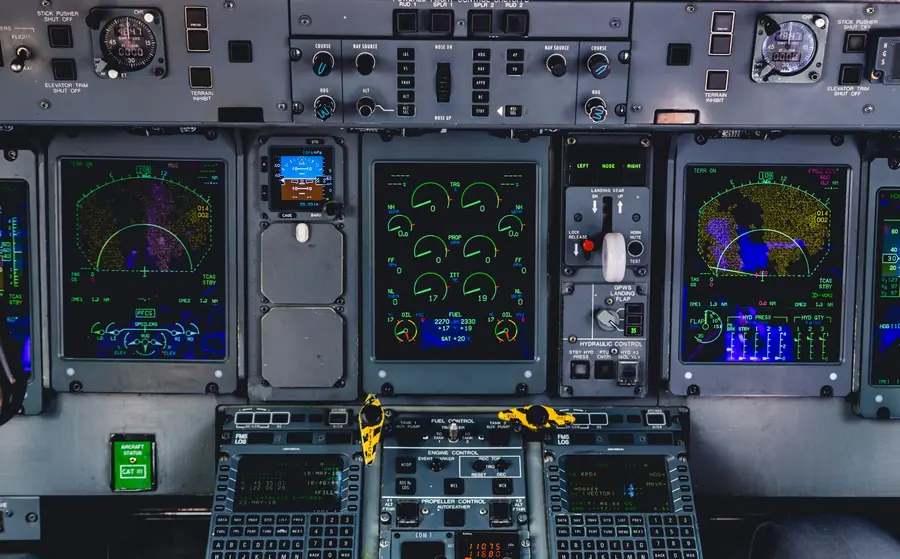
Station time 22:14. A solar storm has tripped three of four core systems, mission control can talk but cannot touch anything, and the orbit will decay in sixty minutes.
Aurora is a Canadian research station in a low orbit that crosses Hudson Bay twice an hour. At 22:14 station time a solar storm tripped three of its four core systems. Power is on battery, the oxygen scrubbers have stopped, and the navigation computer has forgotten where the station is. Mission control in Saint-Hubert can talk to you but cannot touch anything. You have sixty minutes before the orbit decays past the point of recovery.
The station is built as three modules around a command deck: a power bay full of breakers and patch cables, a life-support module with a wall of valves and pressure gauges, and a navigation pod with a star chart the size of a dining table. Each module is its own puzzle chain, and a group of eight can run all three at once, then meet on the command deck for a finale that needs every pair of hands. Nobody stands around holding a flashlight.
This is the room we recommend to almost everyone playing for the first time. The difficulty is three of five, the structure is forgiving (if one module stalls, another can keep moving) and the puzzles are physical and visual rather than word-heavy. Every colour cue is backed up by a shape, and every screen uses high-contrast text, so it plays the same for someone with red-green colour vision deficiency as for anyone else.
Around 71% of teams restore all three systems in time. Birthday groups book it more than any other room, partly because eight people fit comfortably and partly because the finale, when the station lights come back on module by module, photographs well. The record is 33 minutes flat, held by a group of six engineering students from a campus a short streetcar ride away.
Aurora has a seat in every module and no crawl spaces, so it suits players of every age and mobility. Large birthday groups should add the lounge when booking rather than on the night, since it is often taken on Saturdays. If your group is four, you will still have plenty to do; the modules simply run one after another instead of side by side.